From robotic systems to 3D-printed instruments to AI-assisted surgical planning – a look into the future of surgery.
Minimally invasive surgery (MIS) has evolved from a niche technique to the surgical standard over the past three decades. Today, more than 15 million laparoscopic procedures are performed worldwide each year. But development does not stand still – new technologies promise to push the boundaries of what is possible even further.
Next-Generation Robotic Surgery
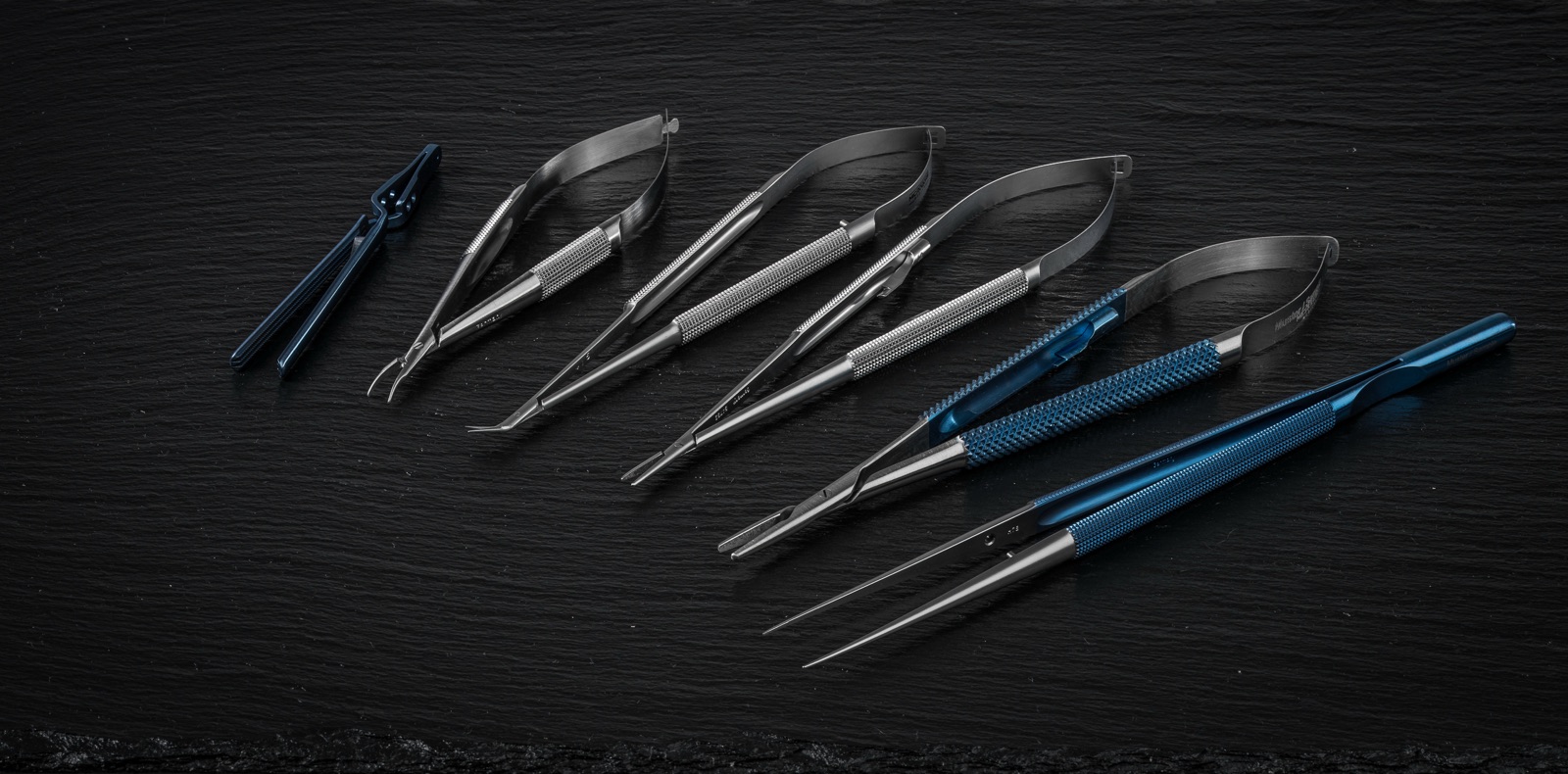
While the Da Vinci Surgical System has dominated the market for over 20 years, new platforms are increasingly entering the field: Medtronic's Hugo RAS System, CMR Surgical's Versius System, and China's Micro Hand S offer modular, more cost-effective alternatives. What they all share is the need for highly specialized micro-instruments that can be used both manually and robot-assisted. For instrument manufacturers, this means: dual compatibility is becoming the development standard.
Additive Manufacturing and Patient-Specific Instruments
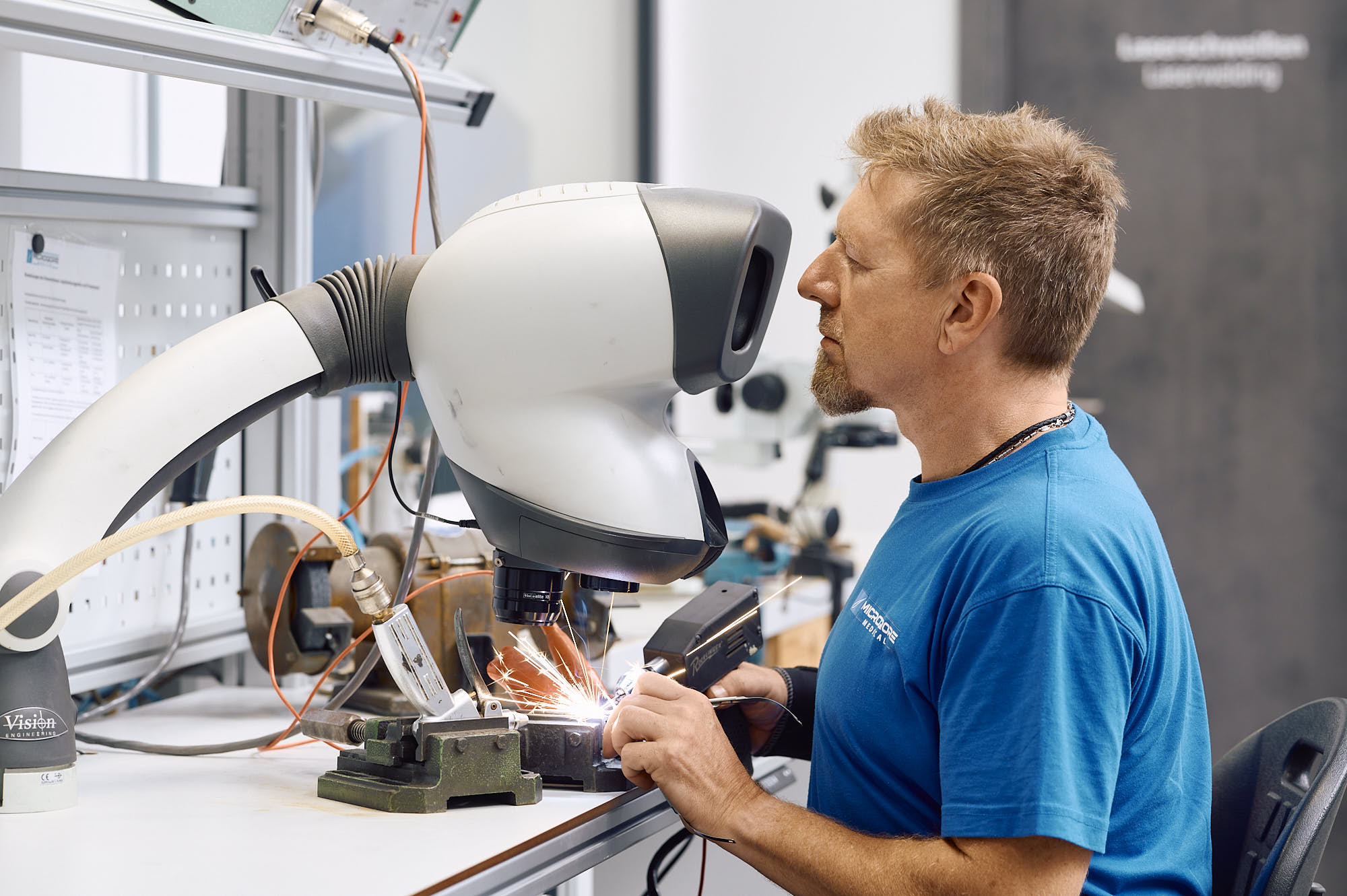
Metal 3D printing using Selective Laser Melting (SLM) enables the economically viable production of patient-specific instruments for the first time. Conceivable are needle holders whose jaw geometry is precisely matched to the planned suture, or guide instruments printed based on CT data for a specific patient. MICROQORE actively monitors and evaluates these technologies and is assessing their deployment for special applications – while conventional CNC manufacturing remains superior for standard instruments in terms of precision and surface quality.
AI-Assisted Surgical Planning
Artificial intelligence is revolutionizing preoperative planning. Algorithms analyze CT and MRI data, simulate the optimal access path, and recommend the appropriate instrument set. In the future, AI systems may even calculate optimal suture placement in real time and display it to the surgeon via augmented reality. This development underscores the importance of a broad, configurable instrument portfolio – because the more precise the planning, the more specific the requirements for the instruments used.
The future of minimally invasive surgery is digital, robot-assisted, and data-driven. But the foundation remains analog: precisely manufactured instruments made from high-quality materials that give the surgeon the control needed for every procedure. MICROQORE MEDICAL continuously invests in research and development to be prepared for the demands of tomorrow's surgery.